Deconstructing the Present through the Past
In this essay, I will assess the potential that understandings of the concept of culture have for the historiography of the British empire. I argue that an exploration of the cultural, psychological, and emotional dimensions of British imperialism is an essential step in the process of re/constructing a critical and nuanced history of the empire, its processes and dynamics and the agents that propel them. Many of the concepts and subjectivities that were born during the development of the imperial project still survive to this day, disguised behind prevalent structures of power and systems of knowledge.
I will begin by examining the concept of culture through a post-structuralist lens that draws on the Foucaldian thesis of the power-knowledge nexus in order to critically examine the processes of othering and differentiation embedded in discourses of culture. I will then offer an insight into what is understood as British imperial culture and Britishness through an exploration of the common imperial tropes found in cultural and artistic productions of the late XIX and early XX centuries. Finally, I will explore the coloniality of culture in the perpetuation of colonial subjectivities, on one hand, and the enforcement of the contemporary rhetoric of nationalism and Britishness that aided in the success of the campaign for the Brexit by reviving an amnesiac nostalgia for the imperial past among the British population.
The Concept of Culture
There is a myriad of acceptations for the word culture – 6 in the Oxford Leaner’s Dictionaries, 4 of them referring to different aspects of human life: way of life, art, beliefs, and communities. Here, I will consider culture as the set of socially constructed meanings and symbolic representations in which a group of people participate, and which makes them different from the rest. Cultures need to create this difference in order to preserve their cohesion and sense of community; therefore, cultural identities, the delineation of the boundaries of the own culture, requires the casting of an otherness from which the former can be separated (Wallerstein, 1994). Nevertheless, it is misleading to think of cultures as monolithic entities that are inherently different from each other. Cultures, as products of human life, are fluid and metamorphic, they overlap, trespass the limits of the nation-state to which they are thought to be coterminous; they evolve through exchanges with other cultures and through adaptations to their ever-changing internal and external dynamics (Geertz, 2000; Featherstone, 1995; Hall, 2007).
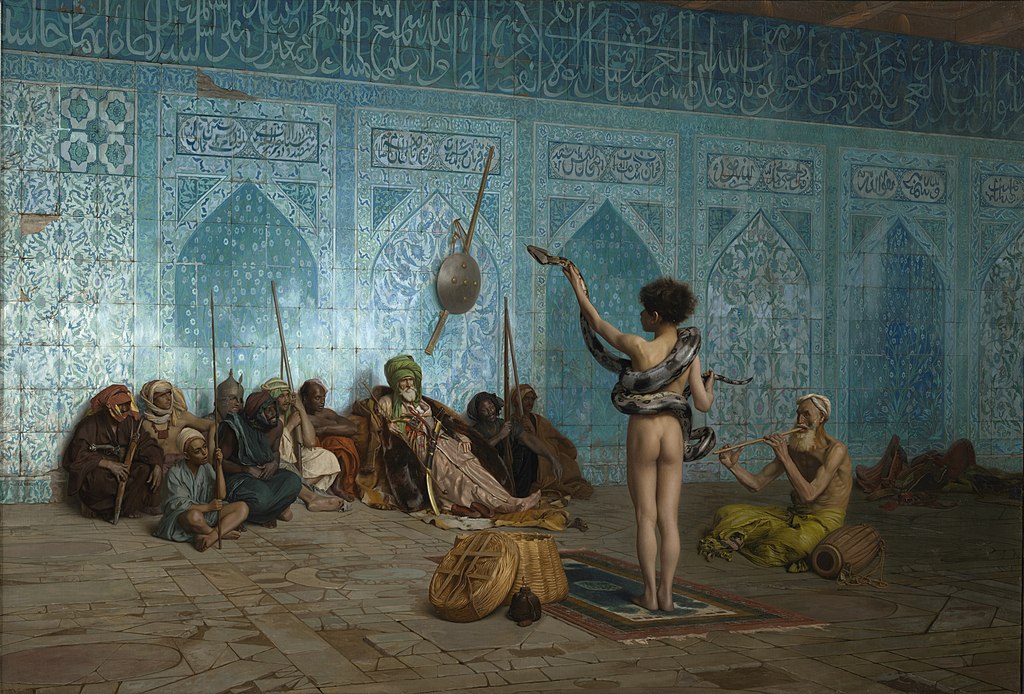
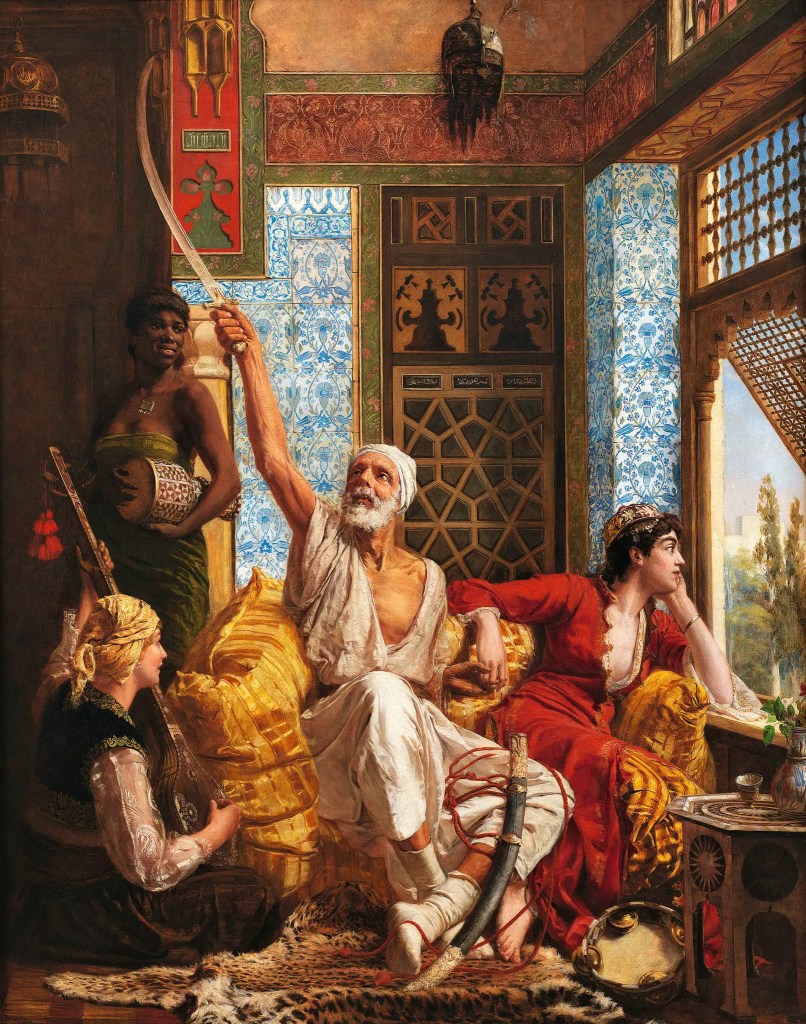
The publication of Orientalism in 1978 by Edward W. Said signaled a turn – a cultural turn – in the study of imperialism and the relations of power between the agents involved in the colonial project. Such is its importance that it is now regarded as the inauguration of postcolonial studies as a formal discipline (Kennedy, 1996). There, and in the subsequent publication Culture and Imperialism (1994), Said argues that Western representations of the Orient – which employed exoticized, sexualized, and mythicized imagery and tropes – created the dichotomy of the West-Orient through which Europe came to define itself. These representations were ubiquitous in literature, art, official documents, policy-making, and any kind of writing about Asia, and constituted the epistemic and ontological colonialism that was then used as a legitimization of imperial expansion.
The Power-Knowledge Nexus
Said was heavily inspired by Michel Foucault’s work on the nature of power and its inextricable relationship with knowledge production and erasure.
The power-knowledge nexus refers to the productive network of social relations across which regimes of truth re/produce structures of power, and viceversa. It is productive because, despite its negative connotations associated with repression, power can be positive in that it creates the discourses, identities, concepts, etc. that constitute knowledge (Foucault, 1980). Secondly, it is social because it is not concentrated in a specific locus from which it disperses across the different layers of society, but is exercised both in micro and macro levels that are in constant interaction with each other (Gilliam, 2018). In other words, we are all simultaneously agents and objects of power-knowledge. In this economy of power, power-knowledge is continuously operating across the whole social network, strengthening and legitimising the mechanism and structures of power while evolving through its dynamic processes (Manohka, 2009; Neal, 2009; Olsen, 2003).
Western thought has been built on the constant dichotomisation of concepts which find, or more precisely, are assigned particular meanings vis-a-vis each other. The pair of concepts in each binary not only act as exclusive to each other, but also stand in a hierarchical relationship in which the dominant concept is elevated to a higher status by virtue of the conditions that it has, and the other has not. In other hands, it is in the absence of these characteristics in the inferior concept where the presence of these same characteristics is found in the superior concept (Zehfuss, 2009). In other words, the creation of an identity always comes in tandem with the creation of an Other to which the Self can be referred to (Doty, 1996; Wallerstein, 1994).
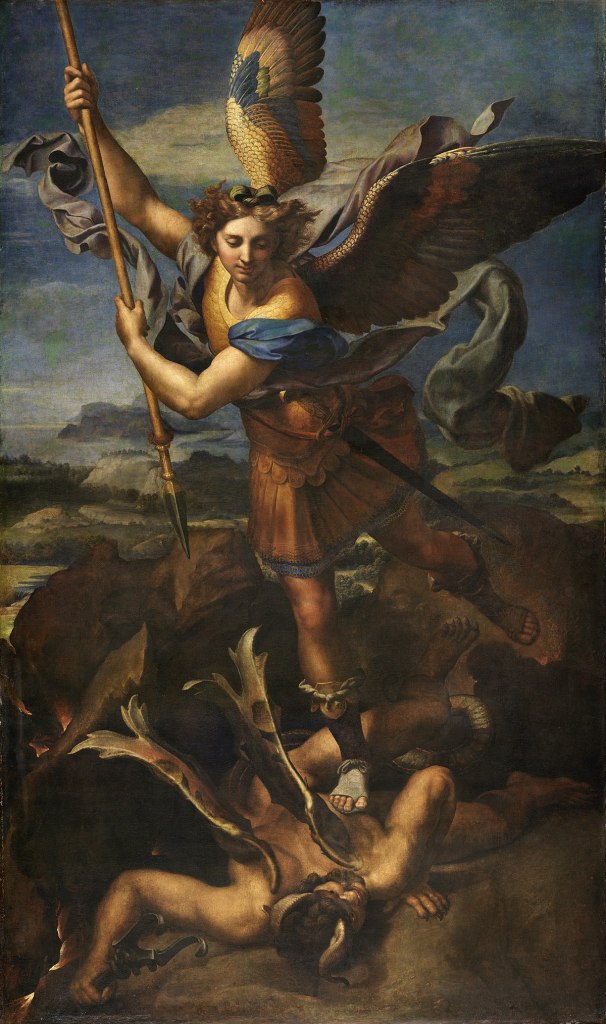
Good vs Evil, Light vs Darkness, Civilization vs Barbarism…
Difference designates the role, purpose, and “nature” of a meaning by delineating the bulwarks inside which it can operate. Thus, the process in which the Self and the Other come to be is determined by the circumstances of a specific context in a particular point in history, and they evolve over time as these circumstances changes (Behr, 2018). Furthermore, these fragmentations constitute the foundations of the structures of morality and knowledge, as it is through them that norms and values are created (Shapiro, 1992).
Structures of meaning give birth to discourses, which are themselves spaces of possibility of knowledge (Gilliam, 2007) where the affordances and confinements of thinking and acting are established. They are the combination of practices of representation that identify the subject and the object, the spaces where knowledge is created (Mohan, 1997). Discourses are naturalised through the creation of contexts in which narratives become normative and thus assume the status of truths. This mechanism starts with the mercantilisation of knowledge, the process in which ideas are arbitrarily selected or discarded according to the value they hold for the subject in question (Devetak, 2007). In this process, language acts as the medium through which power manifests by making the speaker legitimise certain discourses (Chaloupka, 1990; Shapiro, 1993). The naturalisation of discourses is what reveals the underlying and inextricable relationship between power and knowledge (Doty, 1996).
The Quotidian Empire
The empire permeated every aspect of social life in Britain. Being imperial no longer equated to a particular ideological affiliation, but simply became a state of being, a condition in which all British citizens participated. Discourses of imperial power defined education, consumption patterns, literary and artistic production, popular culture, and the archival creation of heritage. Furthermore, the colonies were also materially present in every space in Britain, whether as the propeller of the Industrial Revolution, through the investments in universities, schools, museums, and other institutions alike, the architecture and urbanization of the cities, the fashion, food, and other consumer goods, etc. (Hall and Rose, 2006).
The creation of the short-lived Empire Marketing Board in 1926 was crucial to the consolidation of the imaginative geographies that legitimised the superiority-inferiority complex between imperial subjects (MacKenzie, 1986). In their new graphic representations of the world, the grandiosity of the empire could be visualised as a radial network of lands and peoples connected by the axis of Britain and unified under the Union Jack. Moreover, the idea of the ocean as both a “negative space” and a “dangerous vastness” was substituted by an image of the ocean as a “peaceful emptiness” that invited exploration and leisure, but also as a “global highway” through which the economic and cultural flows of the empire circulated (Cusack, 2019).
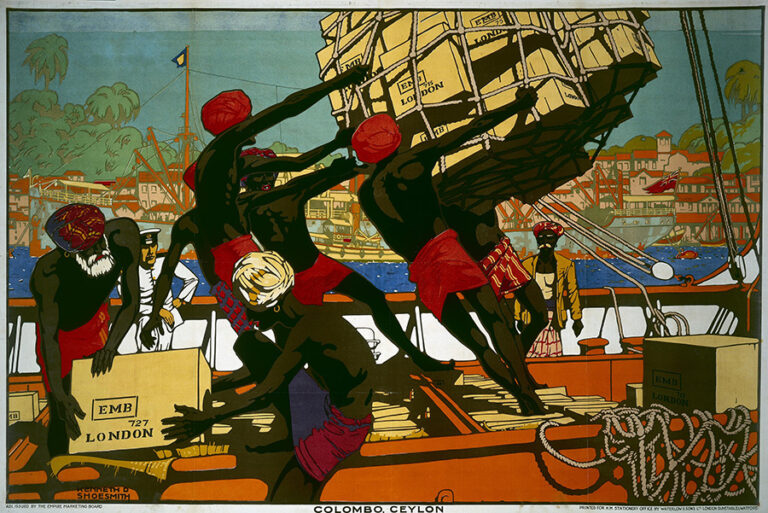
Identity is integrally geographical: it is tied to the place we identify ourselves with, and the emotional meanings we ascribe to spaces is what makes them become spaces. These meanings demarcate the boundaries of home but also draws the geography of prejudice from which cultural doxa emerges (Anderson, 2015). Maps, prints, postcards, and other iconographies were displayed in schools and streets as constant reminders of the magnificence of the empire and, by extension, of the British people. It was through cartography that the British affirmed their domination over the land and the sea and the creatures and the societies that inhabited them.
These visual representations were also crucial in the emergence of consumerist culture from the late XVIII century onwards. Consumption patterns are not only consequential processes of certain political and economic circumstances, but also cultural practices that express societal meanings, desires, and aspirations (Geertz, 2000). The empire penetrated the metropolitan household through products such as tea, sugar, spices, textiles, etc. with such subtlety that its presence became naturalised and absorbed into the fantasy of the British way of life.
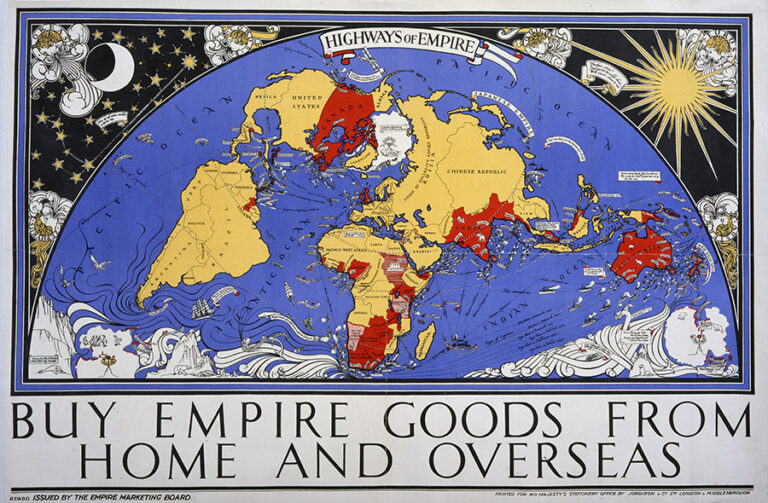
Marketing in the early XX century was based on the employment of exotic, racial imagery that simultaneously worked to bring the empire close to home and to enhance the differentiation of a distant lands available for exploitation and enjoyment by the British masses (De Groot, 2006). Consequently, this normalisation of the presence of the colonies obscured the fact that practices and rites of the everyday life that are seen as idiosyncratically British – for example, tea-time – were actually dependent on the empire.
Another key dimension of the British imperial culture is that of literary production. After all, it was precisely the colonial discourse analysis of texts and the language employed in them which inspired the emergence of the discipline of post-colonial studies (Kennedy, 1996). The descriptions of faraway, exotic lands evoked a certain nostalgia for a past stage of English history – viewed as human history -, a time in which the world was ruled by primitive hedonism, rawness and irrationality. This romantic essentialisation of the Orient, whether stemming from genuine fascination for the unknown or from an unconscious disdain towards that seen as traditional and atemporal, emerge from a paternalistic chauvinism that places Englishness on a pedestal from which to judge and indulge in the Orient (Bongie, 1991).
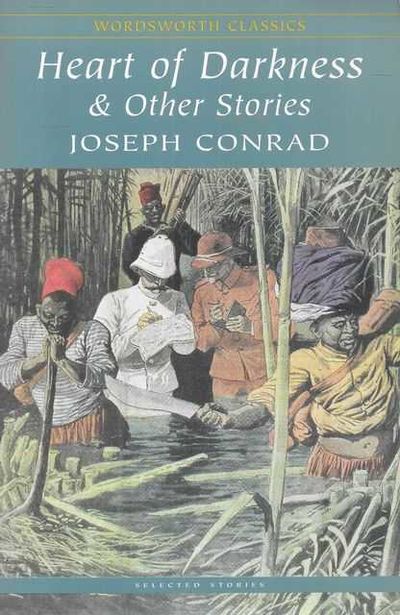

These stories were often centered around the figure of the imperial hero, the epitome of English gentlemanliness, chivalry, bravery, stoicism, masculinity, and morality. This imperial avatar championed the values of honor, duty, and sacrifice that were seen as central to British identity: he remained unfazed before the seduction of women, the feminised personification of the Orient; he embodied the desire for physical superiority that provoked great insecurity in the Englishmen, he was able to defeat any threat to the nation through his intellect and courage. Besides the mainstream literature, the celebration of classical and medieval heroism was an important part of British education, which, through the romanticisation and mythification of the past, instilled the aforementioned qualities of the English gentleman on the children (Beardow, 2018).
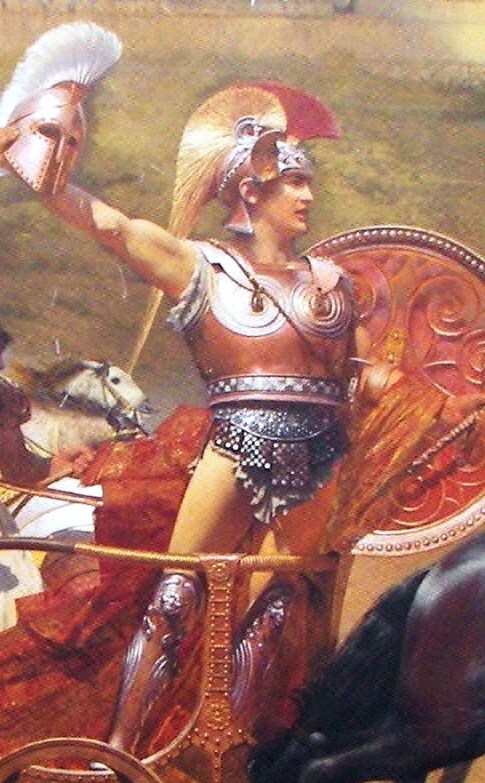
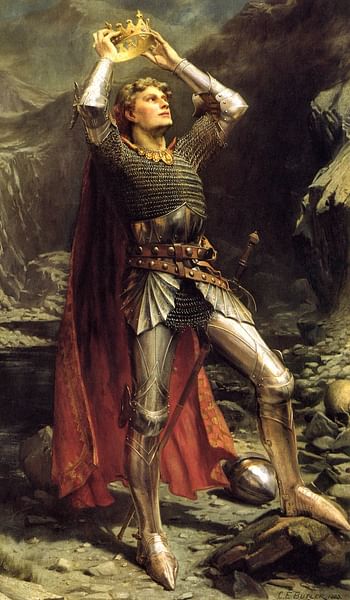
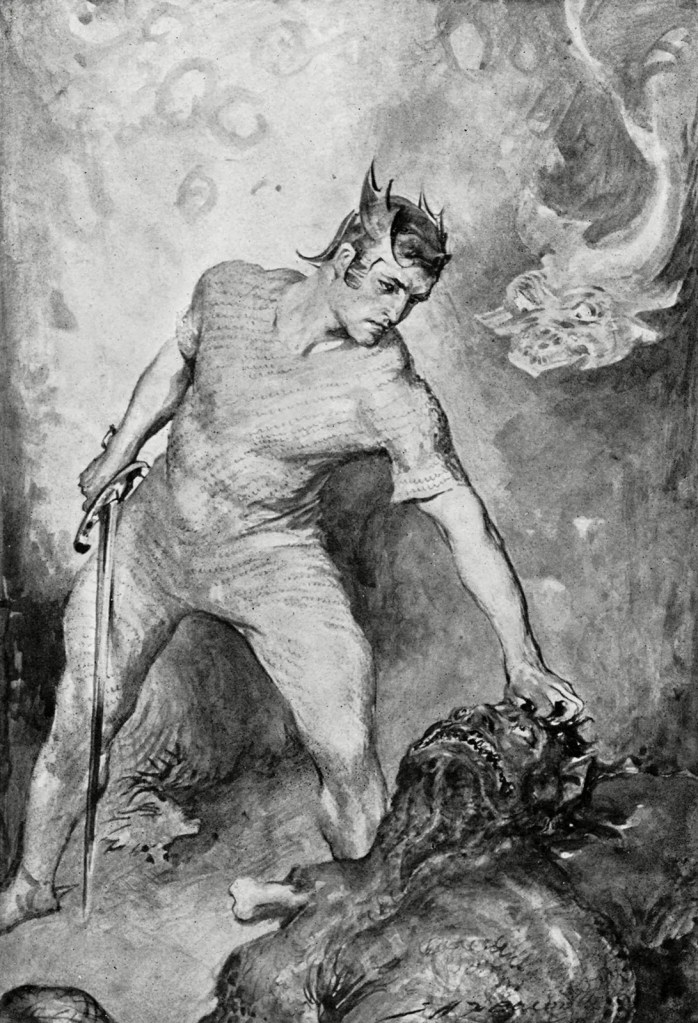
This and other colonial tropes have evolved and adapted to the changing geopolitical contexts, the appearance of media, cinema, and television, and can still be seen in cultural and artistic productions of our time (Ryu, 2019).
The last space we are going to examine is that of the archive and the economy of knowledge. Particular narratives of the past become the nation’s historical and cultural heritage when they are ratified by the institutions responsible for the selection and valorisation of knowledge (Hall, 1999, 2001). Historiography of the empire emerged in the late XIX century as the intellectual and scientific edification of a London-centric exceptionalist past (Kennedy, 1996)
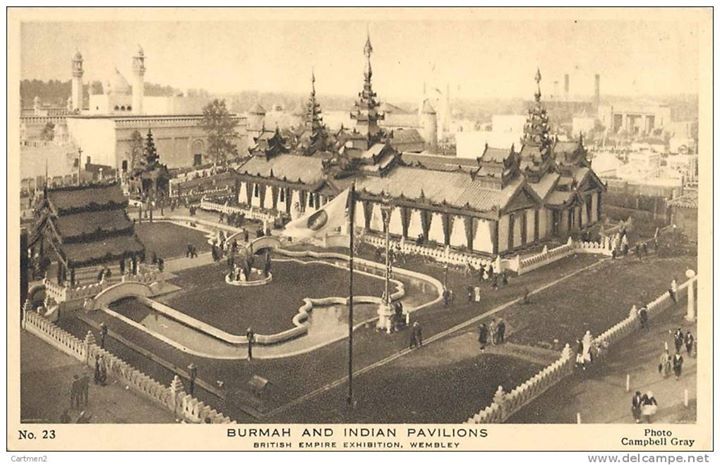
Similarly, museums had been created in the late XVIII century with the purpose of celebrating the achievements of the nation and championing imperial expansion (Giblin, Ramos and Grout, 2019). Through the detachment from and objectification of the colonial subjects, museums naturalised the practices of dispossession, subjugation, and conquest of the other (Minott, 2019). Museums and exhibitions were crucial for the promotion and elevation of Eurocentric narratives of white Anglo-Saxon superiority: they brought the empire to the metropole and educated the middle and working classes about what their own identity looked like, instilling them with a national pride in an attempt to gather support for the colonial enterprise (Kriegel, 2003; Ryu, 2019).
The Paradox of the Postcolonial
In a survey carried out by YouGov in2014, 59% British people interviewed claimed that the imperial past was something to be proud of, 49% agreed that imperialism was positive for the former colonies, and 34% admitted to enjoying the idea of recovering the British empire (Dahlgreen, 2014).
Nostalgia for the grandness of the British empire does not simply serve as a refuge from the reality of the loss of world hegemony. As we have witnessed during the campaign for the Brexit, it can also be weld as a powerful rhetoric tool that is constantly employed by discourses of populism and xenophobia. Indeed, imperial tropes and language are often articulated by leaders like the former Prime Minister Theresa May and her cabinet, who expressed their desire for creating an “empire 2.0” through new trade agreements with the Commonwealth countries, or called for the imagining of a “Global Britain” beyond the yoke of the European Union (Tharoor, 2017; Virdee and McGeever, 2018; Whyman, 2017)
In response to these developments, we must pose the questions of whether it makes sense to speak about Britishness and whether it is possible to envision a British national identity that is not permeated by an amneasiac nostalgia for the empire. After all, the supposed unity of the nation is continuously contested by expressions of Scottish, Welsh and Irish nationalism, which have not forgotten that the so-called United Kingdom was only constituted three centuries ago after a painful annexation to England, the first colonial endeavour of the embryonic British empire (Bhambra, 2020).
We also pose the question of whether it makes sense at all to historicise British imperialism in clearly demarcated colonial, decolonial, and postcolonial phases. The material conditions may have changed, but the coloniality – that is, the systems of culture and knowledge, the binaries behind categories of race, gender, etc. (Maldonado, 2017) – that developed alongside have survived the transformations of global politics and the passing of time and people (Kennedy, 1996). Both the colonial and the postcolonial projects are constantly metamorphosing across time and space and tracing the genealogy of subjectivities. Through culture, we look backwards to a past that calls for revision and forwards to the possibility of a truly postcolonial future.
Conclusion
A submersion into the complexities behind the concept of culture and the relations of power and systems of knowledge in which it is embedded is crucial for the understanding of the British empire and its coloniality. Approaching imperial historiography in a more holistic way which does not limit itself to the material, political, and economic conditions of British imperialism, or does not at least attempt to deconstruct the subjectivities and categories that were born out of the imperial project, will enrich our study of the empire and the ways in which it has survived to this day.
To sum up, essentialising discourses. of cultural difference and exceptionalism provided the rational, ethical justification for imperial expansion. They constituted an indispensable tool for the survival of the empire, as they were largely responsible for garnering the consent of the British society in the metropole, and also served to dehumanise the colonised and reconstruct their identities as mere objects of the British power. In other words, these processes created the subaltern, and thus an insightful analysis of imperial cultural dynamics is necessary for the true decolonization of the mind and the empowerment of subaltern agency. This is, in its turn, imperative for the dismantling of colonial dichotomies such as race or gender that have become so foundational in the way we see the world and ourselves in it. Lastly, we cannot overlook how linkages between culture and national identity have been employed by nationalist and populist movements that are so relevant to the contemporary British sociopolitical climate.
Bibliography
Anderson, Jon (2015) Understanding Cultural Geography. Routledge
Beardow, Ted (2018) “The Empire Hero” in Studies in Popular Culture, 41(1), pp.66.93
Behr, Hartmut (2018) “Peace-in-Difference: A Phenomenological Approach to Peace through Difference” in Journal of Intervention and Statebuilding, 12(3), pp.335-351
Bhambra, Gurminder K. (2020) “Focus: Accounting for British History” in Discover Society, July 1. Access
Bongie, Chris (1991) Exotic Memories: Literature, Colonialism and the Fin de Siècle. Stanford University Press
Chaloupka, William (1990) “Immodest Modesty: Antinuclear Discourse, Lifestyle Politics, and Intervention Strategies” in International Studies Quarterly, 34(3), pp.341-351
Cusack, Tricia (2019) “Looking over the Ship Railings: The Colonial Voyage and the Empty Ocean in Empire Marketing Board Posters” in Campbell, Courtney J.; Giovine, Allegra and Keating, Jennifer (editors) Empty Spaces: Perspectives on Emptiness in Modern History. University of London Press
Dahlgreen, Will (2014) “The British Empire is ‘Something to Be Proud of” in YouGov, July 26. Access
De Groot, Joanna (2006) “Metropolitan Desires and Colonial Connections: Reflections on Consumption and Desire” in Hall, Catherine and Rose, Sonya (editors) At Home with the Empire: Metropolitan Culture and Imperial World. Cambridge University Press
Devetak, Richard (2007) “Theories, Practices and Postmodernism” in International Relations 1 en Cambridge Review of International Affairs, 12(2), pp.61-76
Doty, Roxanne Lynn (1996) Imperial Encounters: The Politics of Representation in North-South Relations. University of Minnesota Press
Geertz, Clifford (2000) The Interpretation of Cultures. Basic Books
Giblin, John; Ramos, Inma and Grout, Nikki (2019) “Dismantling the Master’s House: Thoughts on Representing Empire and Decolonizing Museum and Public Spaces in Practice” in Third Text, 33(4-5), pp.471.486
Gilliam, Christian (2018) Immanence and Micropolitics: Sartre, Merleau-Ponty, Foucault and Deleuze. Edinburgh University Press
Hall, Catherine and Rose, Sonya (2007) At Home with the Empire: Metropolitan Culture and the Imperial World. Cambridge University Press
Hall, Stuart (1999) “Un-settling ‘The Heritage’, Re-imagining the Post-Nation. Whose Nation?” in Third Text, 13(49), pp.3-13
Hall, Stuart (2001) “Constituting an Archive” in Third Text, 15(4), pp.89-92
Kennedy, Dane (1996) “Imperial History and Post-colonial Theory” in The Journal of Imperial and Commonwealth History, 24(3), pp.345-363
Kriegel, Laura (2003) “The Pudding and the Palace: Labour, Print Culture, and Imperial Britain in 1851” in Burton, Antoinette (editor) After the Imperial Turn: Thinking with and through the Nation. Duke University Press
Featherstone, Mike (1994) “Global Culture(s)” en Featherstone, Mike (editor) Global Culture: Nationalism, Globalization and Modernity. SAGE Publications
Foucault, Michel (1980) Power/Knowledge: Selected Interviews and Other Writings, 1972-1977. Pantheon Books
MacKenzie, John M. (1986) Imperialism and Popular Culture. Manchester University Press
Maldonado-Torres, Nelson (2017) “On the Coloniality of Human Rights” in Revista Crítica de Ciências Sociais, 114, pp.117-136
Manohka, Ivan (2009) “Foucault’s Concept of Power and the Global Discourse of Human Rights” en Global Society, 23(4), pp.429-452
Minott, Rachel (2019) “The Past is Now: Confronting Museum’s Complicity in Imperial Liberation” in Third Text, 33(4-5), pp.559-574
Mohan, Giles (1997) “Developing Differences: Post-structuralism and Political Economy in Contemporary Development Studies” en Review of African Political Economy, 24(74)
Neal, Andrew W. (2009) “Michel Foucault” en Edkins, Jenny and Vaughan-Williams, Nick (editors) Critical Theorists and International Relations. Routledge
Tharoor, Ishaan (2017) “Brexit and Britain’s Delusions of Empire” in The Washington Post, March 31: Access
Wallerstein, Immanuel (1994) “Culture as the Ideological Battleground of the Modern World-System” in Featherstone, Mike (editor) Global Culture: Nationalism, Globalization, and Modernity. SAGE Publications
Ryu, Jiyi (2019) “The Queen’s Dolls’ House within the British Empire Exhibition: Encapsulating the British Imperial World” in Contemporary British Empire, 33(4), pp.464-482
Said, Edward W. (1978) Orientalism. Routledge
Said, Edward W. (1994) Culture and Imperialism. Vintage Books
Shapiro, Michael J. (1992) Reading the Postmodern Polity: Political Theory as Textual Practice. University of Minnesota Press
Virdee, Satnam and McGeever, Brendan (2018) “Racism, Crisis, Brexit, Ethnic and Racial Studies” in Ethnic Racial Studies, 41(10), pp.1802-1819
Wallerstein, Immanuel (1994) “Culture as the Ideological Battleground of the Modern World-System” en Featherstone, Mike (editor) Global Culture: Nationalism, Globalization, and Modernity. SAGE Publications
Whyman, Tom (2017) “Theresa May’s Empire of the Mind” in The New York Times, February 15. Access
Zehfuss, Maja (2009) “Jacques Derrida” in Edkins, Jenny and Vaughan-Williams, Nick (editors) Critical Theorists and International Relations. Routledge


Leave a Reply